Creepers: Soul Harvest – Disturbing Kid’s Schlock [Review]

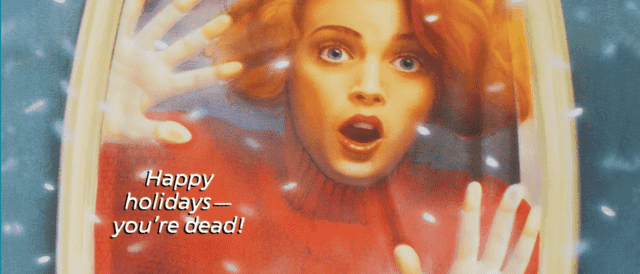
Soul Harvest is Joan Love’s fourth (possibly fifth) addition to the Creepers book series. It’s one of the darkest children’s horror books I’ve read, exploring themes of child neglect, emotional abuse, and fear of outsiders — pushing the boundaries of what you’d normally expect in YA horror. Whilst the Creepers franchise has always leaned into a nastier streak than Goosebumps, this particular entry feels especially dark.
Let’s dig into what works, what doesn’t, and what to expect.
Creepers: Soul Harvest Review
This book is “kiddy schlock”, working as a product of its genre, but not much else. It’s horror trash for kids — but I say this with affection. There’s no gore here. After all, it’s a children’s book. But it contains everything that, at least for me, would really unsettle a young reader.
Before diving into the themes, here’s a quick look at the story setup (no spoilers, of course!).

Plot Setup
The premise echoes James Herbert’s The Fog or films like The Crazies, where contagion spreads through a community, turning familiar faces into threats. Classic folk horror often sets its stories in isolated villages bound by superstition, with the outsider as the intruder. Here, though, the outsiders — the Grimaldis — arrive and spark the madness.
Soul Harvest risks slipping into “fear the newcomer” territory, particularly when the Grimaldis are described early on as “strange-looking creatures” (p.13). For a child reader, that shorthand might simply mark them as villains. But paired with scenes of adults turning violently against children, it creates an atmosphere that feels less like safe, supernatural play-acting and more like a channel for real-world cruelty.
Themes in Soul Harvest
The Town Has Gone Mad
The premise echoes James Herbert’s The Fog or films like The Crazies, where contagion spreads through a community, turning familiar faces into threats. Classic folk horror often sets its stories in isolated villages bound by superstition, with the outsider as the intruder. Here, though, the outsiders—the Grimaldis—arrive and spark the madness.
Soul Harvest risks slipping into “fear the newcomer” territory, particularly when the Grimaldis are described early on as “strange-looking creatures” (p.13). For a child reader, that shorthand might simply mark them as villains. But paired with scenes of adults turning violently against children, it creates an atmosphere that feels less like safe, supernatural play-acting and more like a channel for real-world cruelty.

Emotional Abuse and Child Neglect
Adults shouting vitriolic abuse at children, a kid locked in a shed, a parent stumbling home in the small hours reeking of alcohol — this isn’t what you expect from a book that sets out to emulate the Goosebumps formula. Instead of being spooky, these moments inject grittiness. They introduce themes of neglect and cruelty that sit uncomfortably beside the supernatural scares. For a child reader, this could be especially unsettling, because these are the kinds of monsters that feel real. Ghosts can be explained away, but the idea of adults turning on children feels like a genuine, palpable threat.
The problem with this is that these incidents are dropped in without nuance. They’re not explored or contextualised. Sure, they add to the background menace, but because they’re never examined, they also feel strangely disposable — as if the book uses real-world abuse simply as set dressing.

Review Summary
The shock value of the relatively heavy themes in this Creepers carries the audience from start to finish, yet there is nothing much else going for this one. Whilst its novelty offers the entertainment value of a fun read, this Creepers book suffers from some of the same issues I have noticed in previous books from the series.
We have children speaking in ways that you would expect a middle-class adult to talk. With both internal and spoken dialogue, the language and phrasing are simply too polished for the typical demographic and young characters.
In the end, Soul Harvest is an interesting misfire. It’s uneven and haphazard, but never dull. If you’re interested in seeing how far 90s YA horror was willing to push the envelope, it’s worth a look—just don’t expect a smooth or particularly thoughtful read.